Started in the trenches.
Sales, publishing, internet directories, teams, customers, and the daily work of making a company survive long enough to matter.
I’ve spent most of my career working with entrepreneurs — first as an operator, then as a teacher, mentor, angel investor, and venture capitalist.
This site is meant to be a simple, fuller introduction: the work I’ve cared about, the people who shaped me, and the principles that still guide how I spend my time.

For founders and investors, the signal should come from substance: what has been built, who has been helped, how decisions are made, and whether the person behind the work seems steady enough to trust.
My work has moved through several forms — operating companies, teaching entrepreneurs, helping build startup communities, and investing in founders.
Sales, publishing, internet directories, teams, customers, and the daily work of making a company survive long enough to matter.
BYU and Startup Ignition gave me years of close-up work with entrepreneurs learning what to build, who to serve, and how to get real traction.
At SIV, the focus is practical: vertical B2B software, urgent workflow problems, early revenue evidence, capital discipline, and founders who can learn fast.
After years of operating, teaching, mentoring, and investing, a few patterns keep showing up. They are not slogans as much as working rules of thumb.
A narrow customer, painful workflow, and clear use case usually teach more than a broad market story.
Paying customers are better evidence than enthusiasm, polished decks, or abstract interest.
Money is most useful after the founder has learned what matters and can spend with discipline.
The best founders learn quickly, tell the truth, and adjust without losing conviction.
Vertical B2B software becomes durable when it is embedded in the way real work gets done.
Useful, trusted companies usually matter more than whatever happens to be fashionable for a season.
Startup Ignition has become the center of my current business focus. Its three related efforts — Bootcamp, Ventures, and ToolSuite — serve founders through education, capital, and tools.
BootcampPractical founder education: tightening the customer, problem, wedge, and go-to-market plan before too much capital is wasted.Visit Bootcamp ↗
VenturesEarly-stage investing focused on capital-efficient vertical B2B SaaS companies with clear workflow value.Visit Ventures ↗
ToolSuiteFounder tools and workflows that help entrepreneurs move from idea to sharper execution.Visit ToolSuite ↗
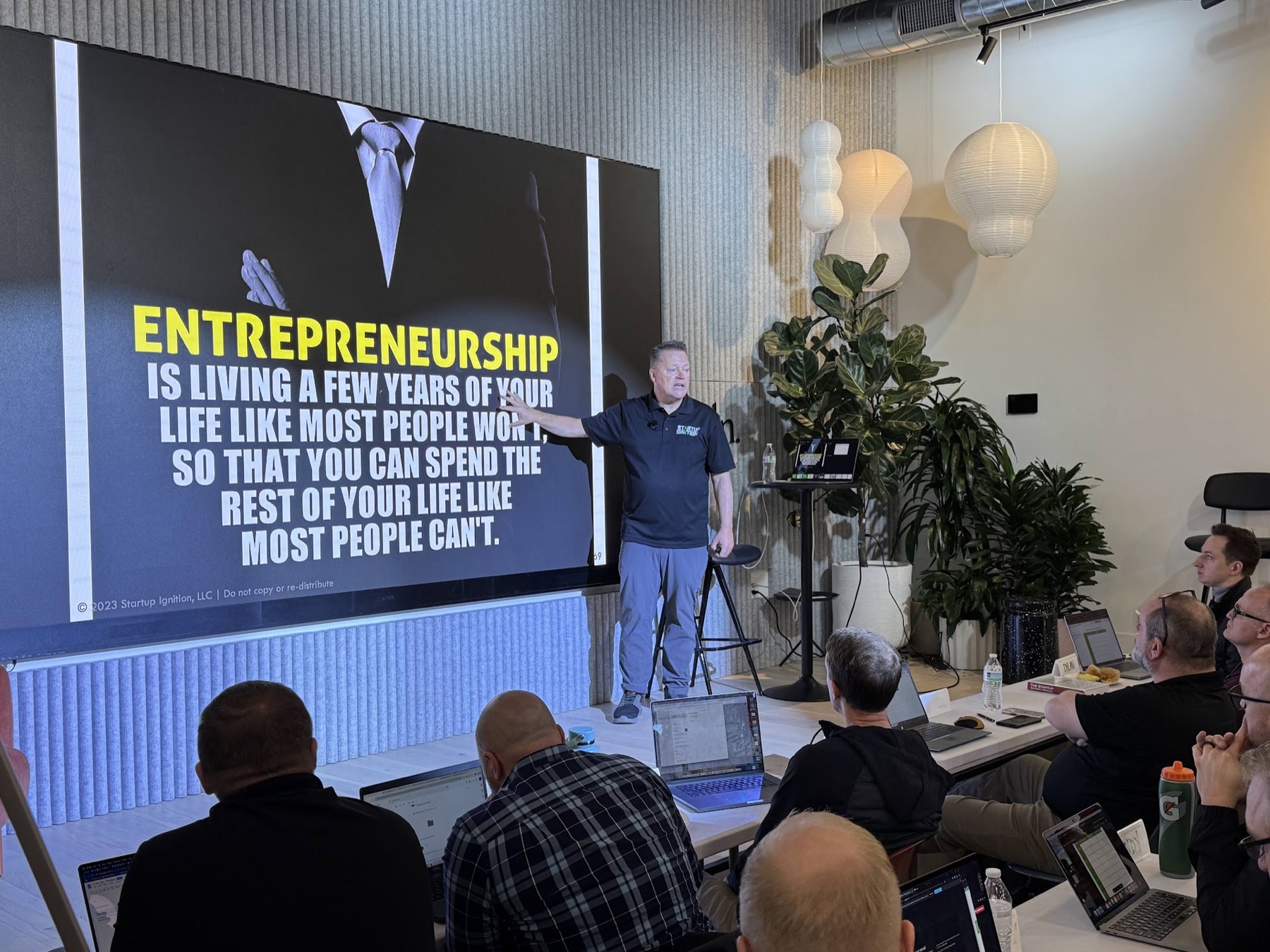
When you spend enough time with early founders, patterns become easier to see: vague customers, soft pain, unclear wedges, pricing uncertainty, and the difference between enthusiasm and evidence.
Selected chapters include print directories, the early internet shift, InfoSpace, BYU, Google Fiber, and Startup Ignition.
Early operating and sales experience in the Seattle market.
Built in the yellow pages publishing world after the AT&T / Ma Bell breakup opened new opportunities.
A print-directory background met the early internet — a chapter that helped lead toward InfoSpace.
Joined the early internet platform wave and served in senior leadership during a formative public-company chapter.
Worked with student entrepreneurs and helped build the entrepreneurship program and founder ecosystem around BYU.
Helped during the Provo fiber transition and then worked with Google Fiber’s Utah operations.
Bootcamp, Ventures, and ToolSuite now form the center of the work: founder education, investment, and tools.
This is not meant to be a trophy case. It is a short record of the operating, education, community, and investing chapters that explain how I see founders today.
Print directories, Banana Pages, Yellow Pages on the Internet, and InfoSpace were early lessons in timing, distribution, and market shifts.
Years with student founders made teaching, mentoring, and founder pattern recognition a central part of the work.
The Provo fiber chapter reinforced how infrastructure, civic trust, and startup communities can shape each other.
Bootcamp focuses on practical founder education before teams waste too much time or capital on the wrong assumptions.
CapitalSIV backs capital-efficient vertical B2B SaaS founders with narrow wedges, early evidence, and room to compound.
ToolsToolSuite extends the education work into repeatable workflows founders can use as they test and refine their companies.
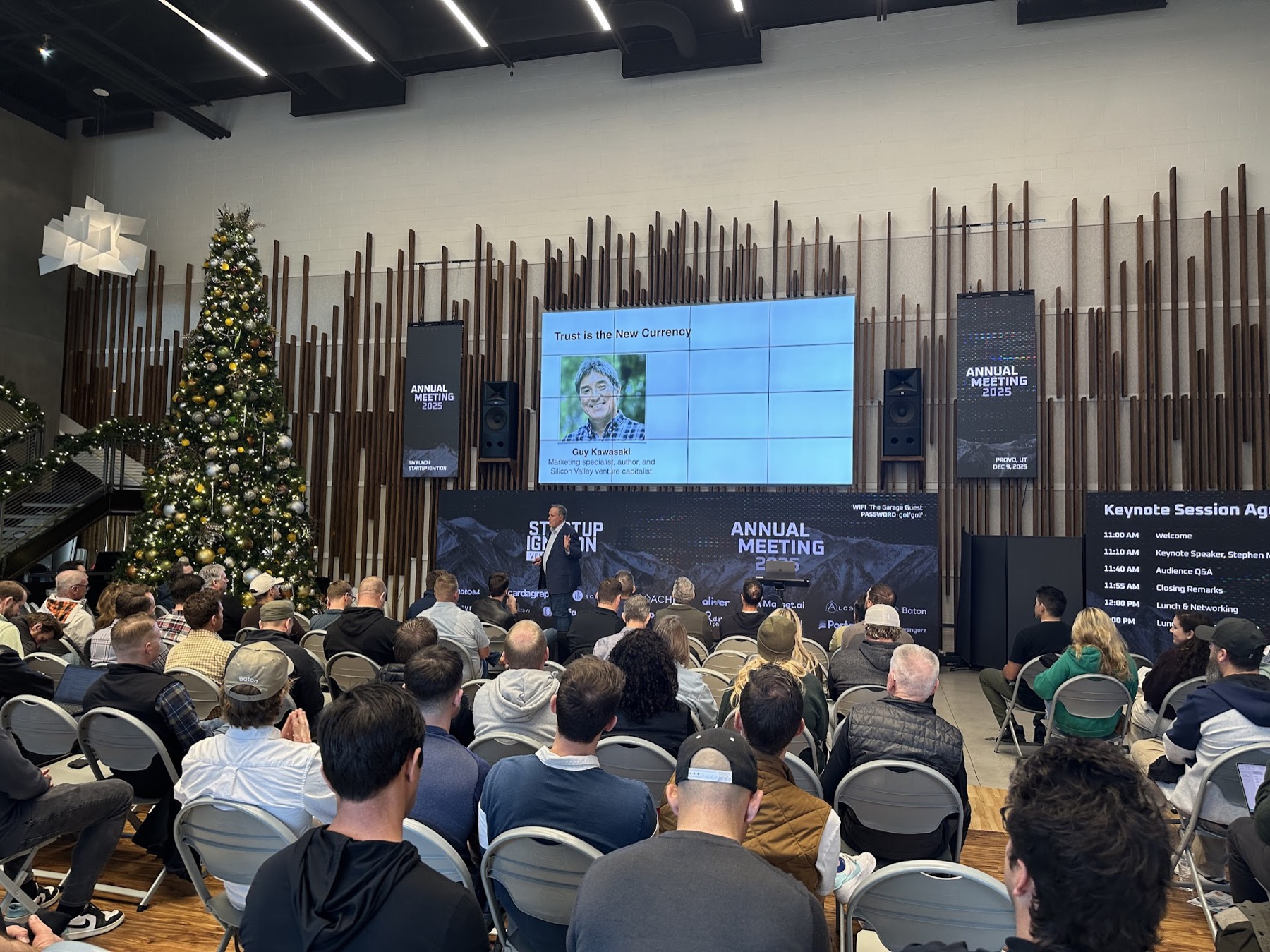
Events and annual meetings are not the whole story, but they show something important: entrepreneurship is learned in communities, through repeated exposure to people who have built, invested, failed, adjusted, and kept going.
For potential LPs, this should say something quietly useful: the fund is connected to a real founder education engine and a local ecosystem, not just a spreadsheet of abstract opportunities.
The personal side should create connection without feeling like a trophy case. These are simply parts of life that have mattered: Susan, children, grandchildren, Seattle roots, golf, pickleball, and chess.

 John & Susan
 Family roots
Golf connects back to Seattle and family. Pickleball is competitive and social. Chess is pattern recognition under constraints. None of that needs to be over-explained, but together it adds a human texture that feels true.

 Golf trips
 Startup life, lightly
The site should make the next step simple without turning every relationship into a transaction.
Startup Ignition Bootcamp, practical mentoring, and tools for sharpening the customer, problem, wedge, and early go-to-market plan.
Startup Ignition Ventures, vertical B2B SaaS, disciplined pre-seed investing, and a founder education engine behind the pipeline.
Teaching, workshops, panels, founder education, and practical startup programming for serious builders.
Old friends, family connections, former students, founders, and people from earlier chapters are welcome here too.
The best public contact path for now is LinkedIn. If you are looking for Startup Ignition Bootcamp, Ventures, or ToolSuite, the links below point you back to the right part of the site.